Magazine

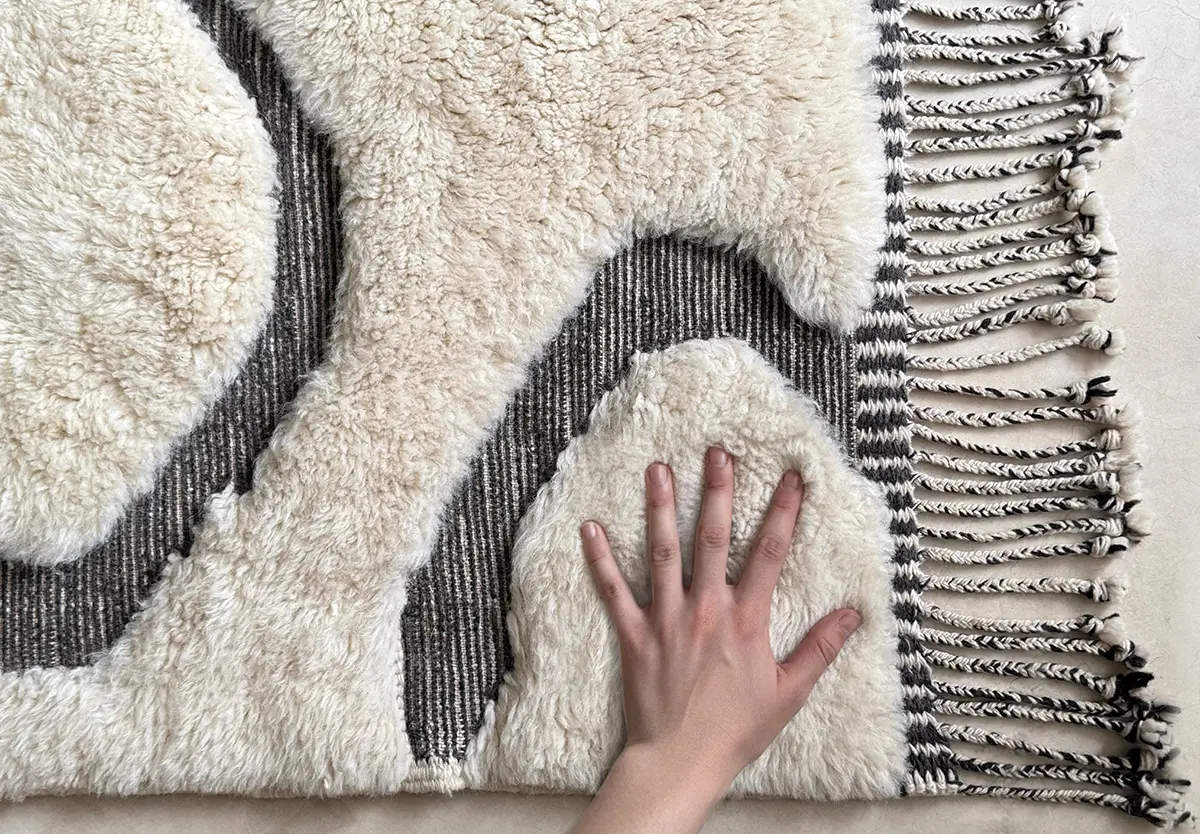
Azele Studio. Handmade Rug. traditional Moroccan dyeing techniques

Explore Traditional Moroccan Dyeing Methods

Last reviewed:

SHARE:

Color as Cultural Expression

Traditional Moroccan dyeing techniques have shaped the country’s textiles and rugs for generations. Across Morocco’s diverse regions, color means more than a visual detail. It speaks a language of identity, ritual, and heritage. These dyeing methods tell stories of place, season, and symbolism. Women artisans root them in the natural world and pass them down through skilled hands.

Table of Contents

The Tradition of Natural Dyes

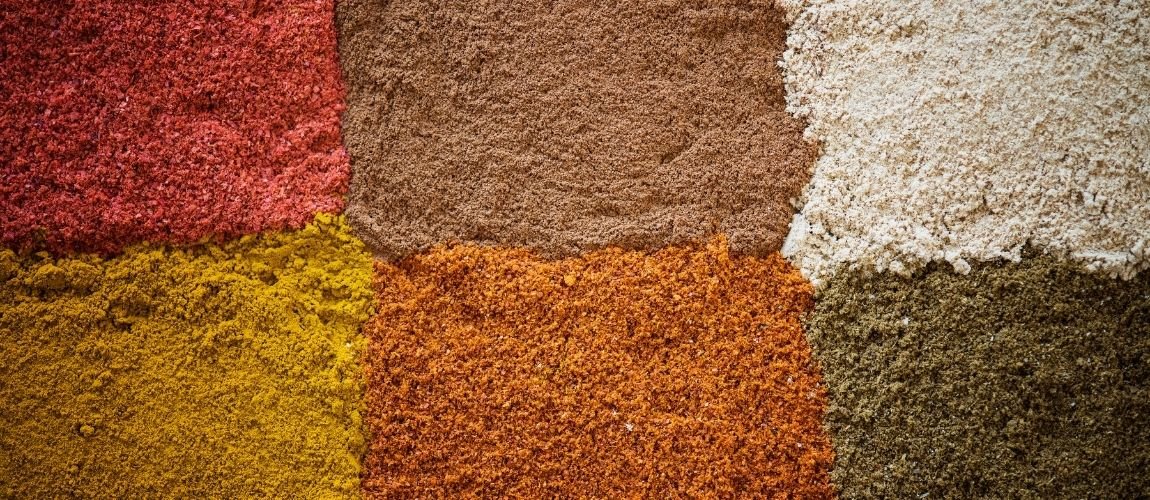
Before the introduction of synthetic pigments, Moroccan textiles were tinted using a palette drawn from earth, plant, and spice. These natural dyes were not only chosen for their beauty but also for the cultural and spiritual meanings they carried. Among the most widely used were:
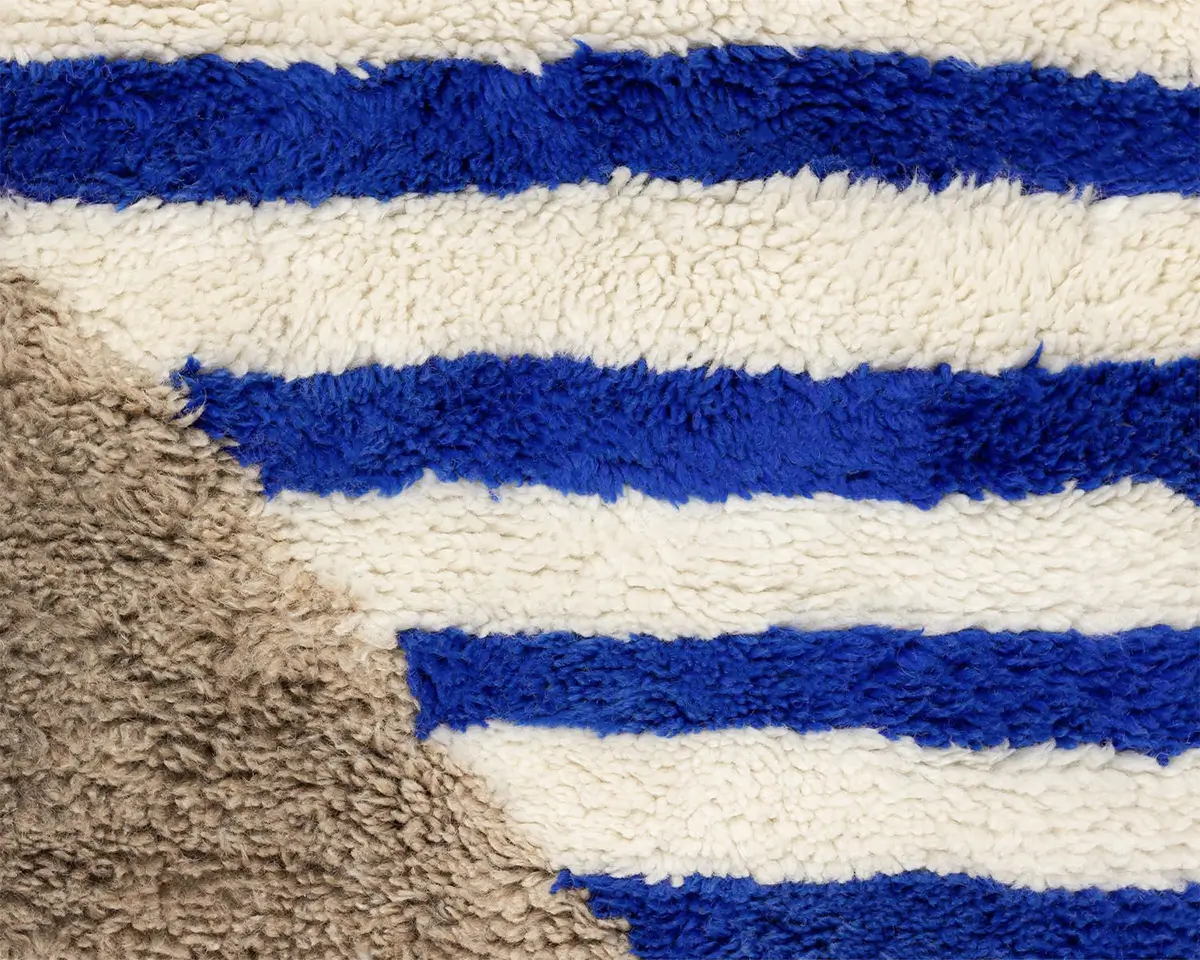
Indigo: Extracted from the indigofera plant, this deep blue represented protection and spiritual depth. The dyeing process was lengthy, requiring fermentation and careful handling.

  • Henna: Known for its use in celebratory body art, henna also produced warm reddish-browns in textiles, symbolizing joy and life’s transitions.
  • Madder Root: Cultivated in mountainous regions, madder gave vibrant reds and pinks often seen in ceremonial and bridal textiles.
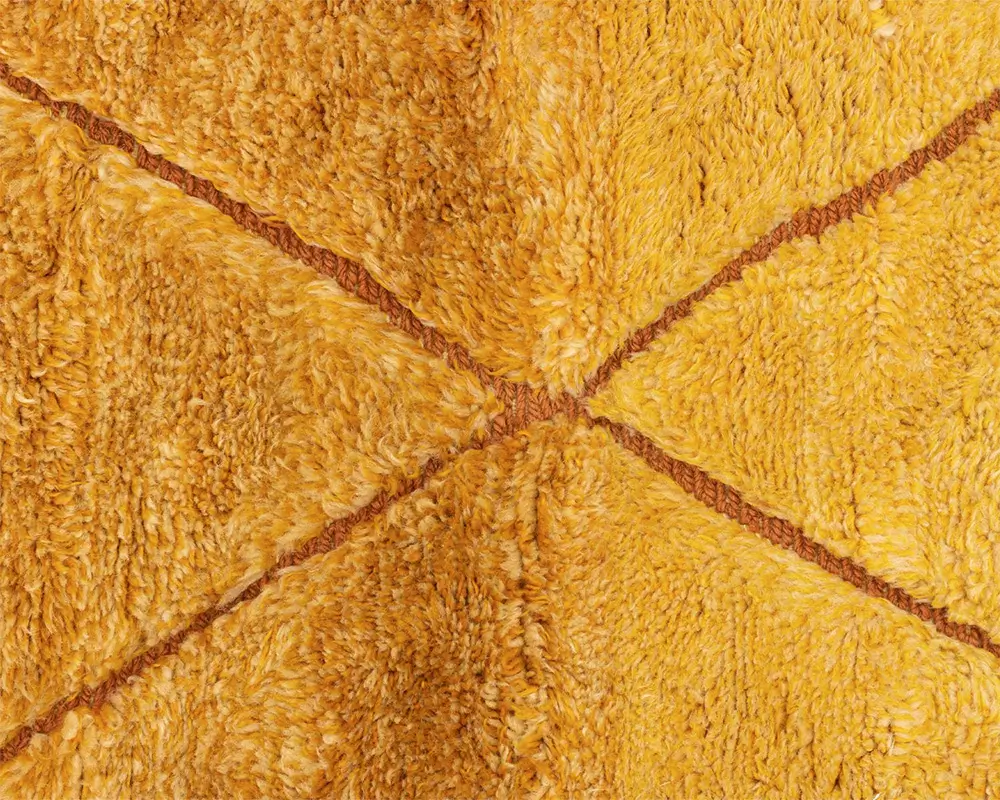
  • Pomegranate Peels: These provided gentle yellows and golden ochres, often used to evoke prosperity and abundance.
  • Saffron: Valued for its rarity, saffron imparted a luxurious golden hue, typically reserved for special pieces linked to fertility and fortune.
  • Walnut Hulls: Used for creating rich browns and neutrals, walnut was especially favored in colder climates.

Each process was guided by rhythm and respect—an understanding of nature’s calendar, and the symbolic significance of every element. These ingredients weren’t just colorants—they were cultural markers embedded with meaning.

Women and Dyeing Expertise

In Morocco, the tradition of dyeing has been sustained by women. Techniques were passed through generations, often orally, through lived experience and seasonal repetition. These artisans developed an intuitive grasp of ratios, temperatures, and timing—skills refined by repetition, not written instruction.
Dyeing days often brought communities together. Women would share the workload, pooling resources and knowledge while exchanging stories, songs, and folklore. These gatherings transformed a technical task into a cultural ritual. The expertise involved was as social as it was artistic, anchoring dyeing in both personal identity and collective memory.

From Plant to Pattern

Azele Studio. Handmade rugs. Explore Traditional Moroccan Dyeing Methods

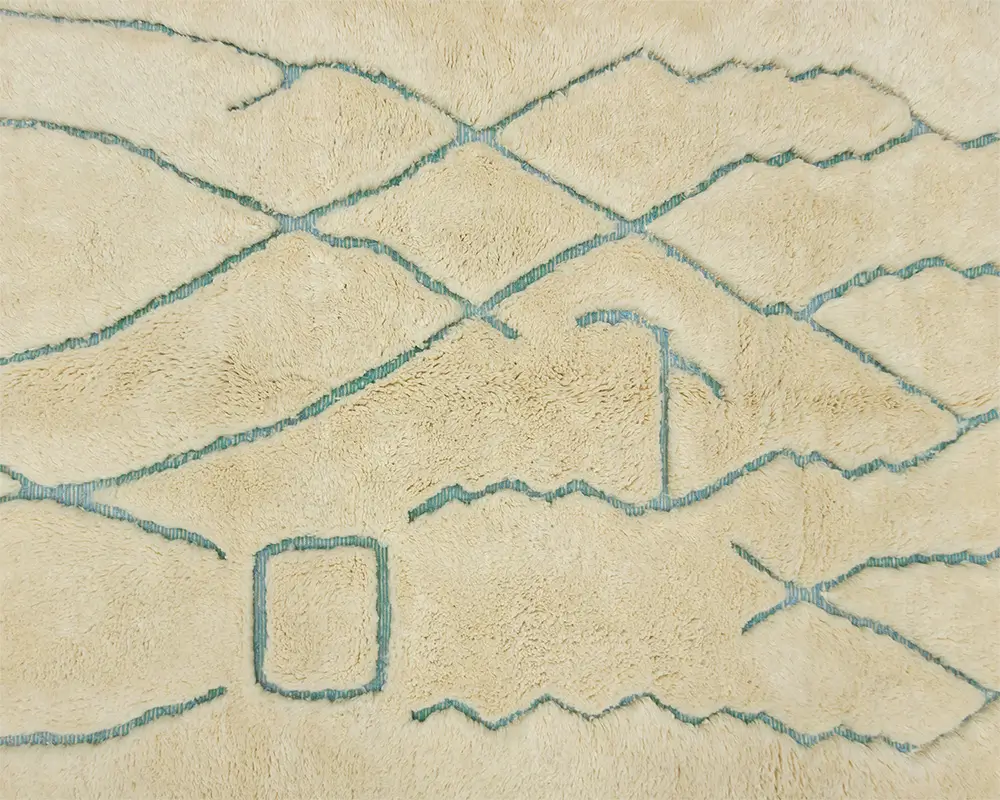
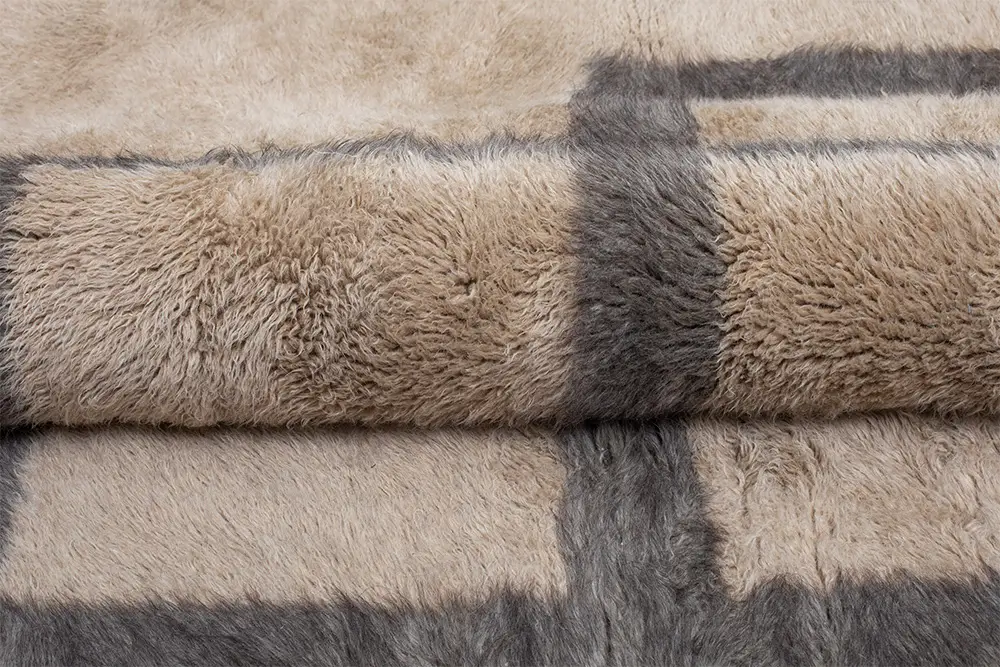
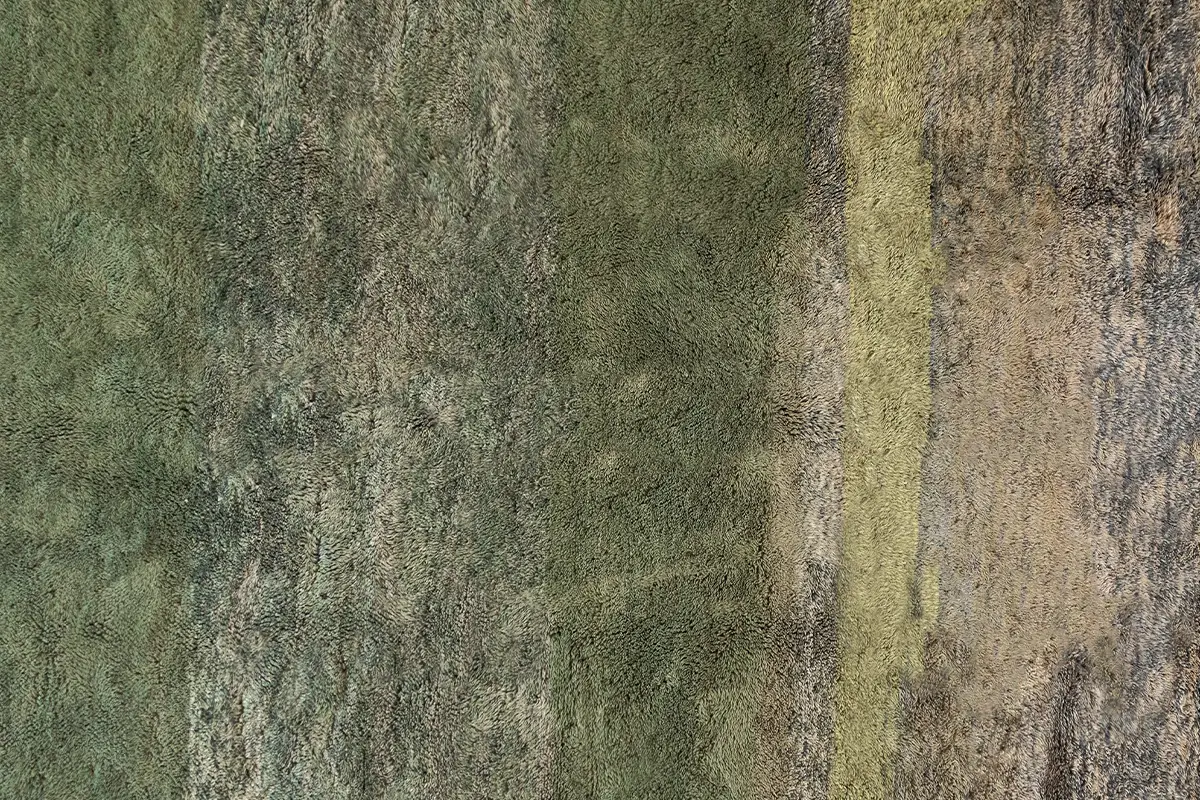
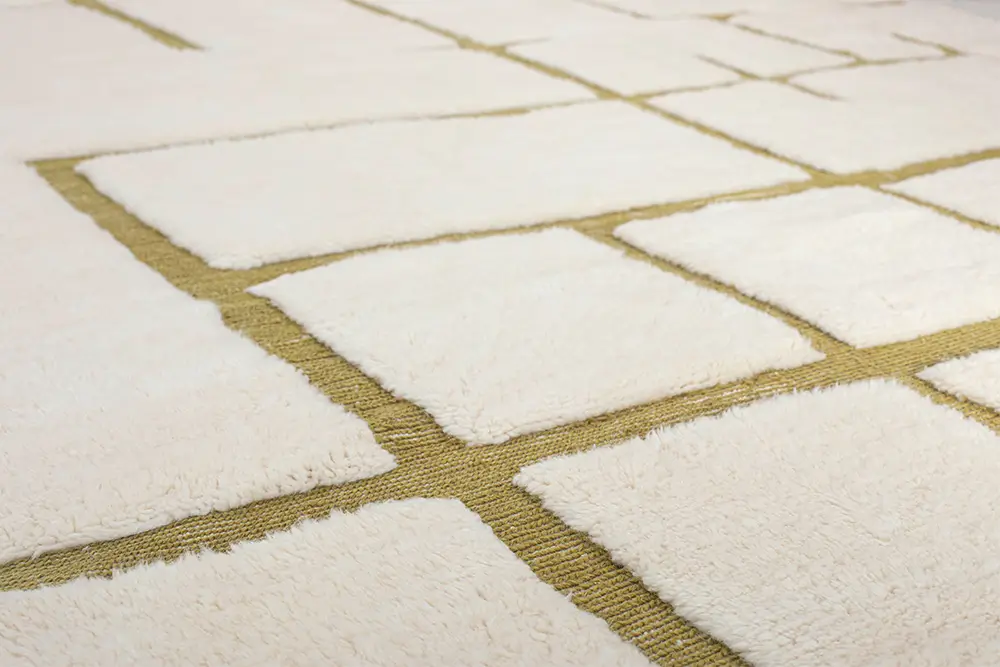
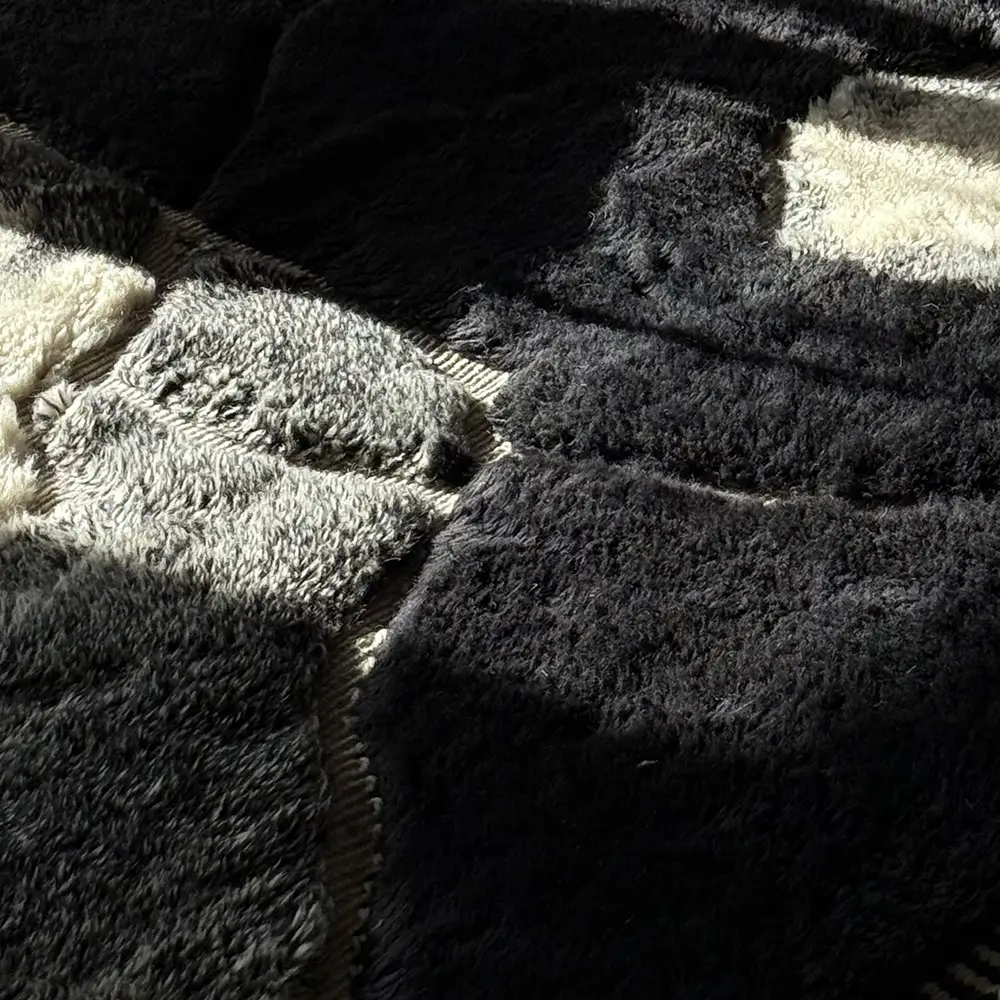
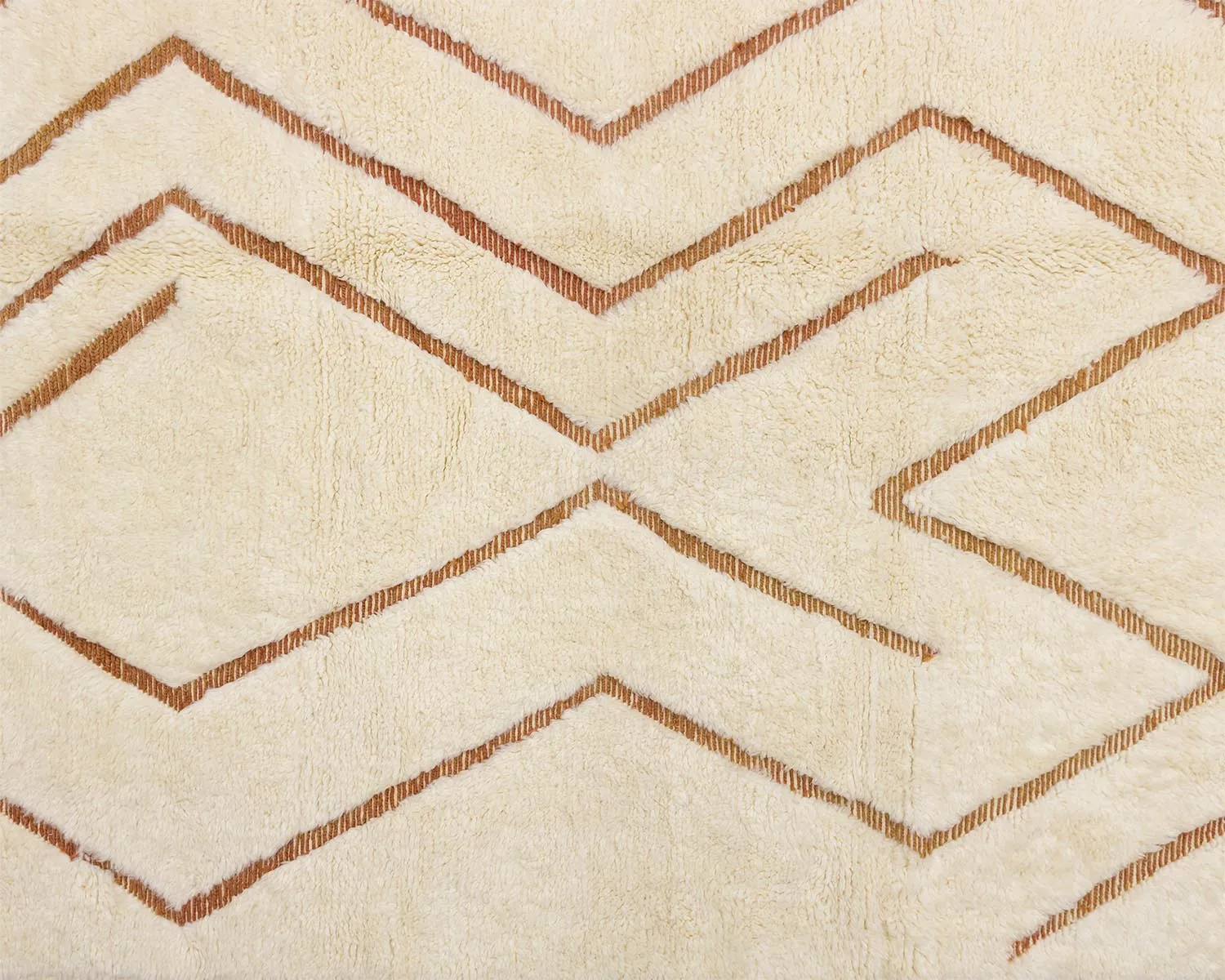
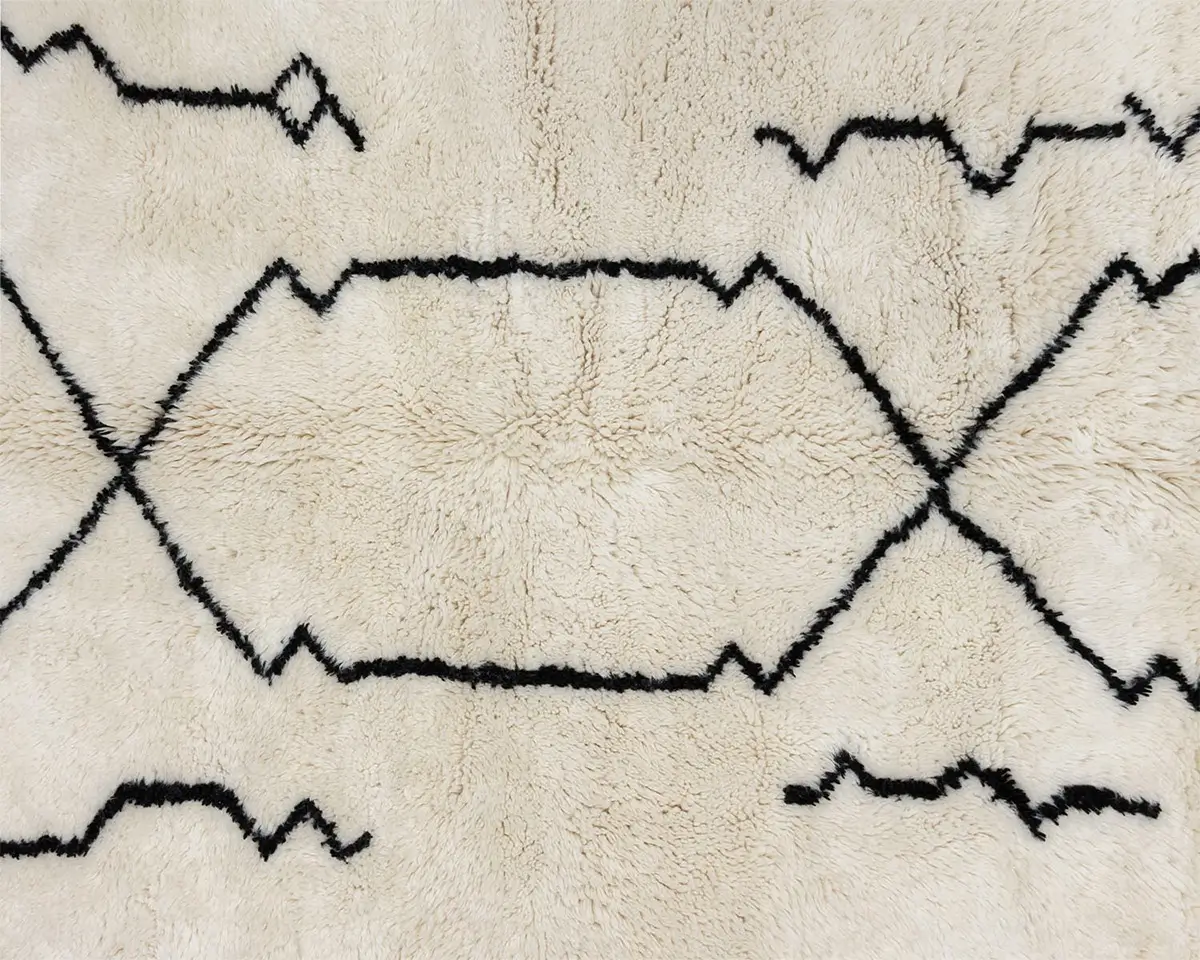
Once the wool was cleaned, carded, spun, and dyed, it became the base of one of Morocco’s most cherished art forms: the rug. Color revealed origin. Azilal rugs, bright with saffron and crimson, reflected their high-altitude source. Rehamna rugs glowed in earthy reds. Beni Ourain rugs stayed closer to nature, often left in soft undyed tones. And Mrirt rugs, with their deep jewel tones and luxurious velvety texture, stood apart with rich saturation achieved through refined dyeing and double-knot weaving techniques.
Color choices weren’t random—they were emotional, symbolic, and often ceremonial. A rug woven for a bride might combine protective indigo and fertility-invoking saffron. Colors told stories. Each rug was not only utilitarian, but an artwork infused with place, purpose, and personhood.

Modern Shifts and Realities

As global interest in Moroccan rugs and textiles expanded, many artisans began incorporating modern dyes for their accessibility, reliability, and wider color range. These alternatives accommodate the pace and palette of contemporary production while ensuring consistency across larger outputs.
Yet in this shift, something more subtle was altered. The use of faster dyes often reduced the seasonal rhythms, patience, and intimacy that once defined traditional practices. While efficiency grew, the ritualistic nature of the process quietly receded.
Still, in many rural communities, ancestral dyeing traditions remain alive—valued not only for their heritage but for the depth, integrity, and sustainability they continue to offer.

Color, Craft, and Cultural Continuity

Traditional Moroccan dyeing methods offer more than technique—they are living testimonies to creativity, ecology, and memory. These methods bind people to landscape, and culture to craft.
Today, the art of rug-making continues to evolve, with artisans mastering a broader spectrum of hues that complement a wide range of interiors—from minimalist to eclectic, timeless to contemporary.
Yet beneath every shade remains the same enduring craftsmanship. For those seeking more than aesthetic, learning the story behind each color deepens appreciation—and preserves a narrative that continues to inspire, layer by layer, hue by hue.

traditional Moroccan dyeing techniques, natural dyes Morocco, indigo dyeing Moroccan rugs, henna dye textiles, madder root dye, saffron dyed wool, pomegranate peel dye, walnut hull dye, Moroccan artisan dyeing, handmade rug dyeing process, natural rug dyes, Berber dyeing traditions, Azilal rug colors, Beni Ourain natural wool, Mrirt rug dyes, plant based textile dyes, vegetable dyes rugs, Moroccan women artisans, traditional wool dyeing, eco friendly rug dyes, sustainable dyeing methods, Moroccan textile heritage, natural pigments rugs, handcrafted rug colors, Atlas mountain dyeing, Moroccan craft traditions, organic wool dyes, artisan rug making process

Magazine