Magazine
Ethical Moroccan Rugs: How to Buy with Purpose
Last reviewed:
- January 6, 2026
SHARE:
The story behind what we bring into our homes matters. For centuries, Moroccan rugs have embodied heritage, symbolism, and craftsmanship. However, not all rugs in today’s marketplace carry that same authenticity. As a result, finding ethical Moroccan rugs has become more than a value. It is a responsibility. Therefore, this guide helps you buy with purpose and support real artisans.
Why Ethical Moroccan Rugs Matter
The global appetite for Moroccan rugs has grown considerably in recent years. But with increased demand comes greater risk. Mass-produced rugs that imitate Berber aesthetics are frequently marketed as “handmade” or “authentic,” distorting the craft and threatening the livelihoods of real artisans. Some suppliers exploit labor or disguise the rug’s origin to inflate its price. Ethical sourcing cuts through this deception, ensuring your purchase uplifts human dignity, preserves cultural heritage, and respects sustainability.
Handmade vs. Mass-Produced: Understanding the Difference
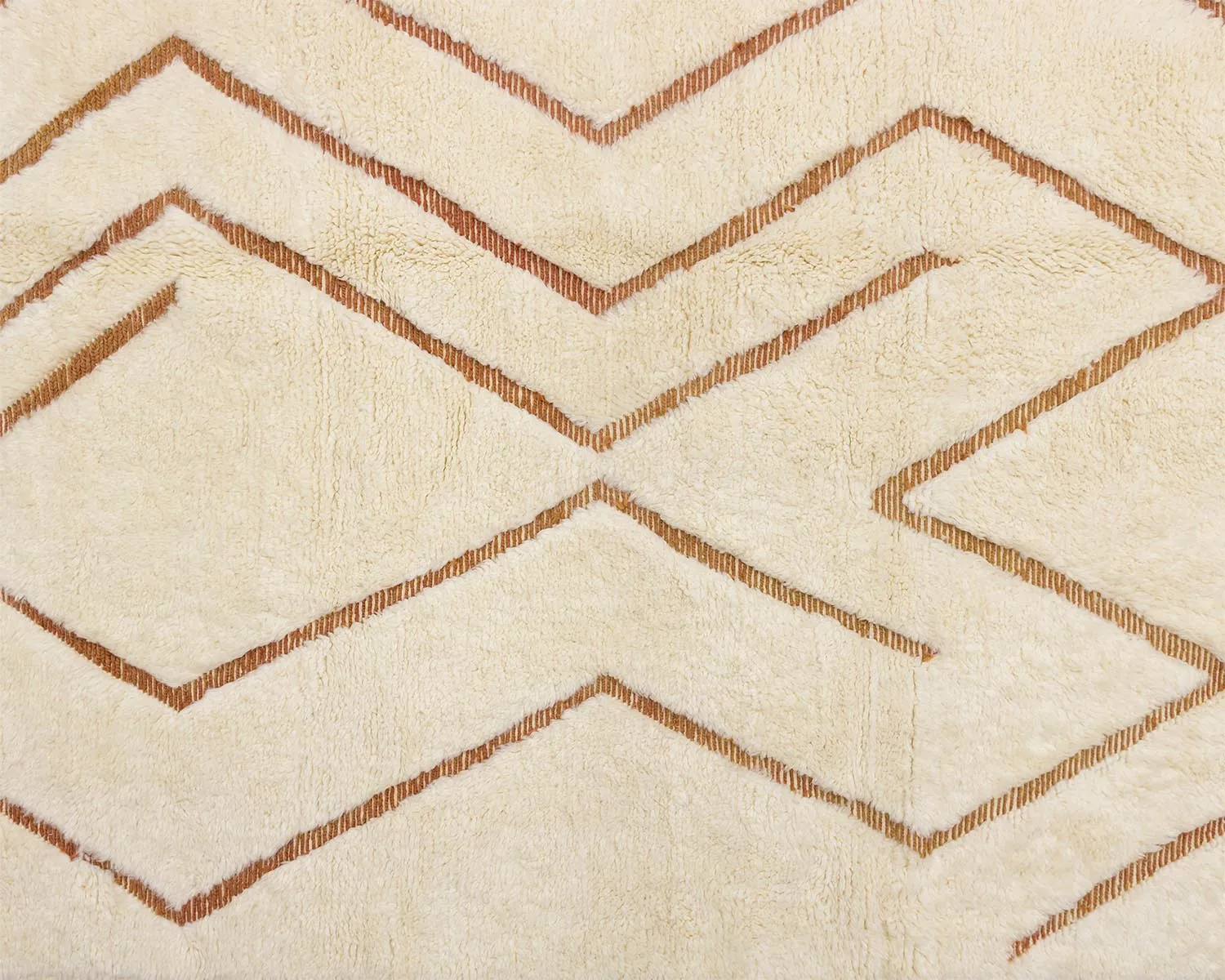
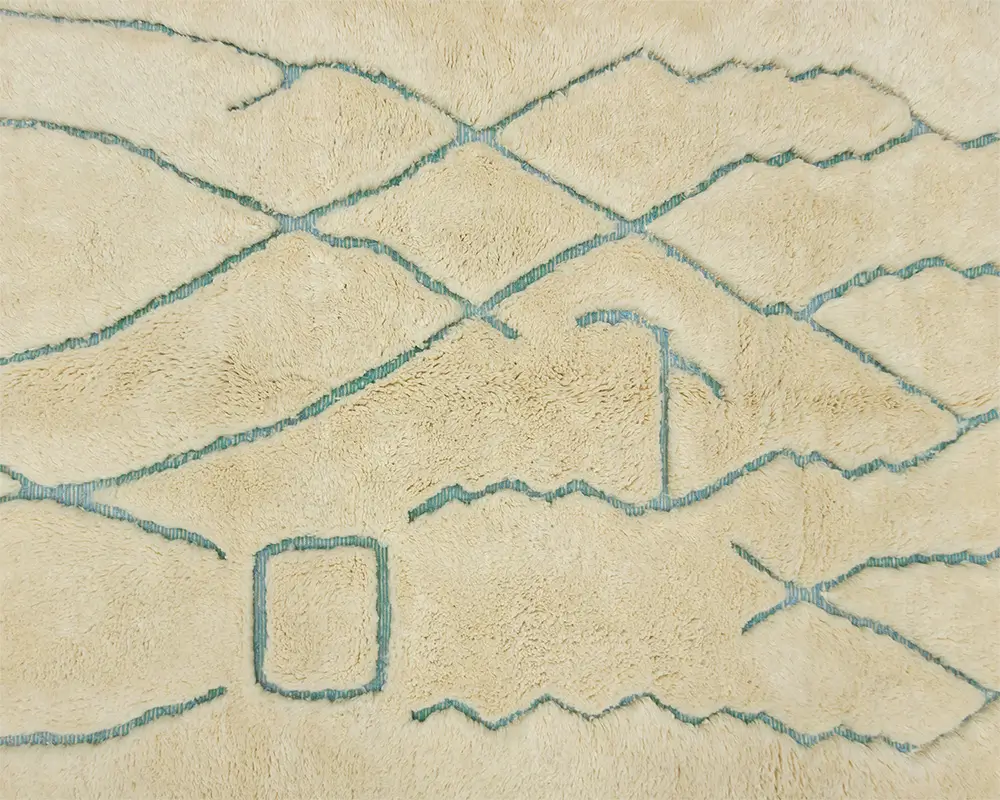
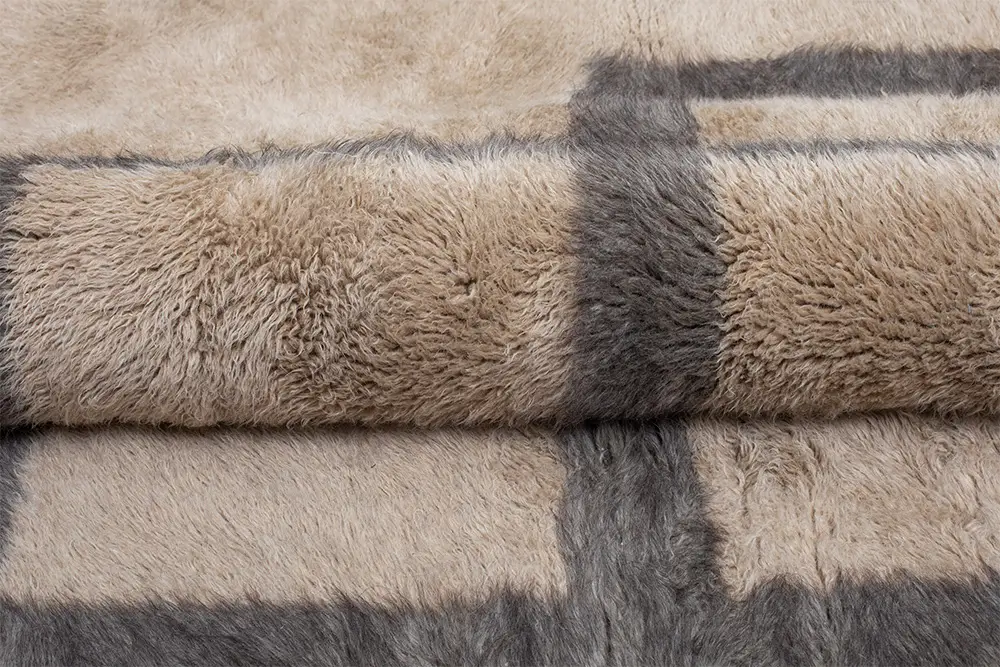
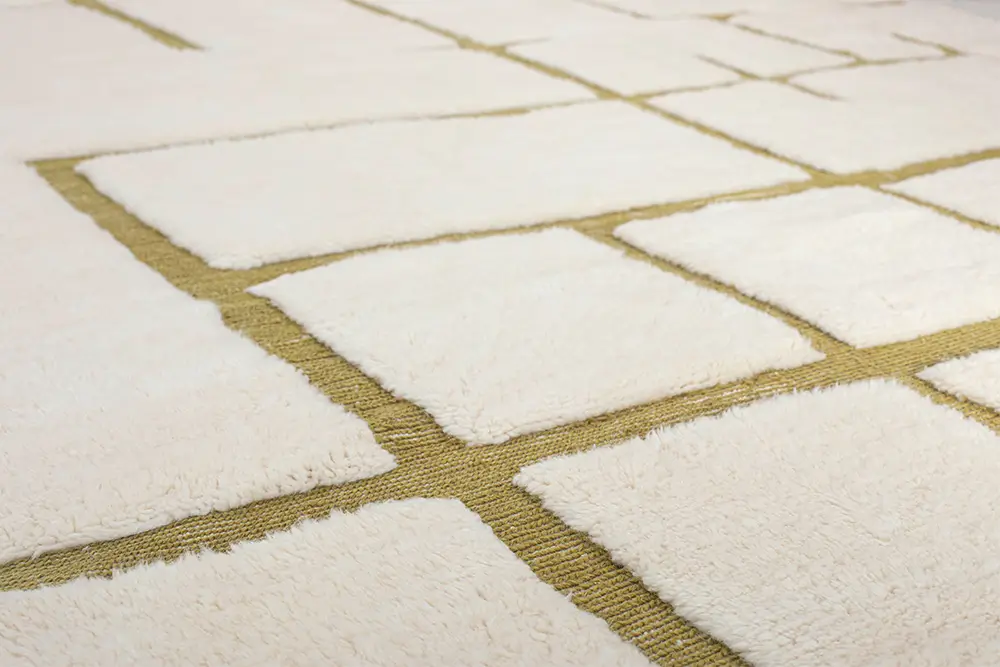
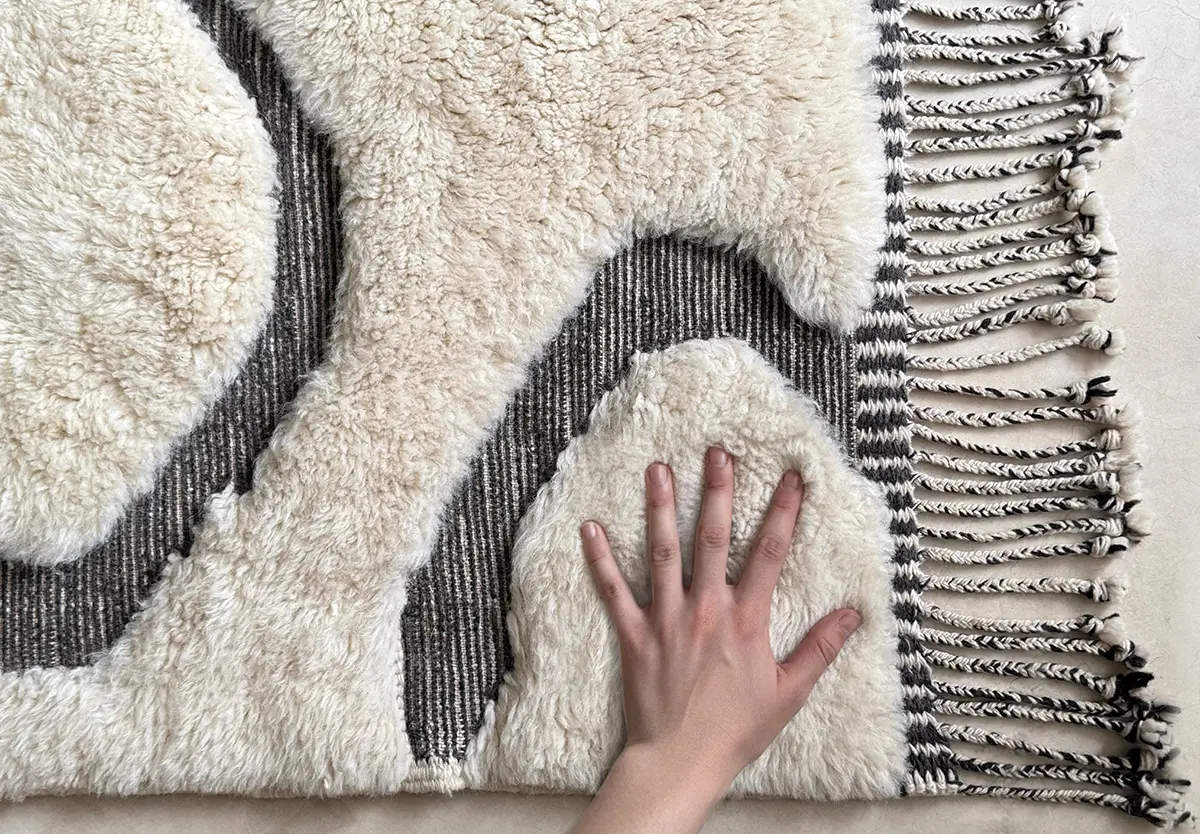
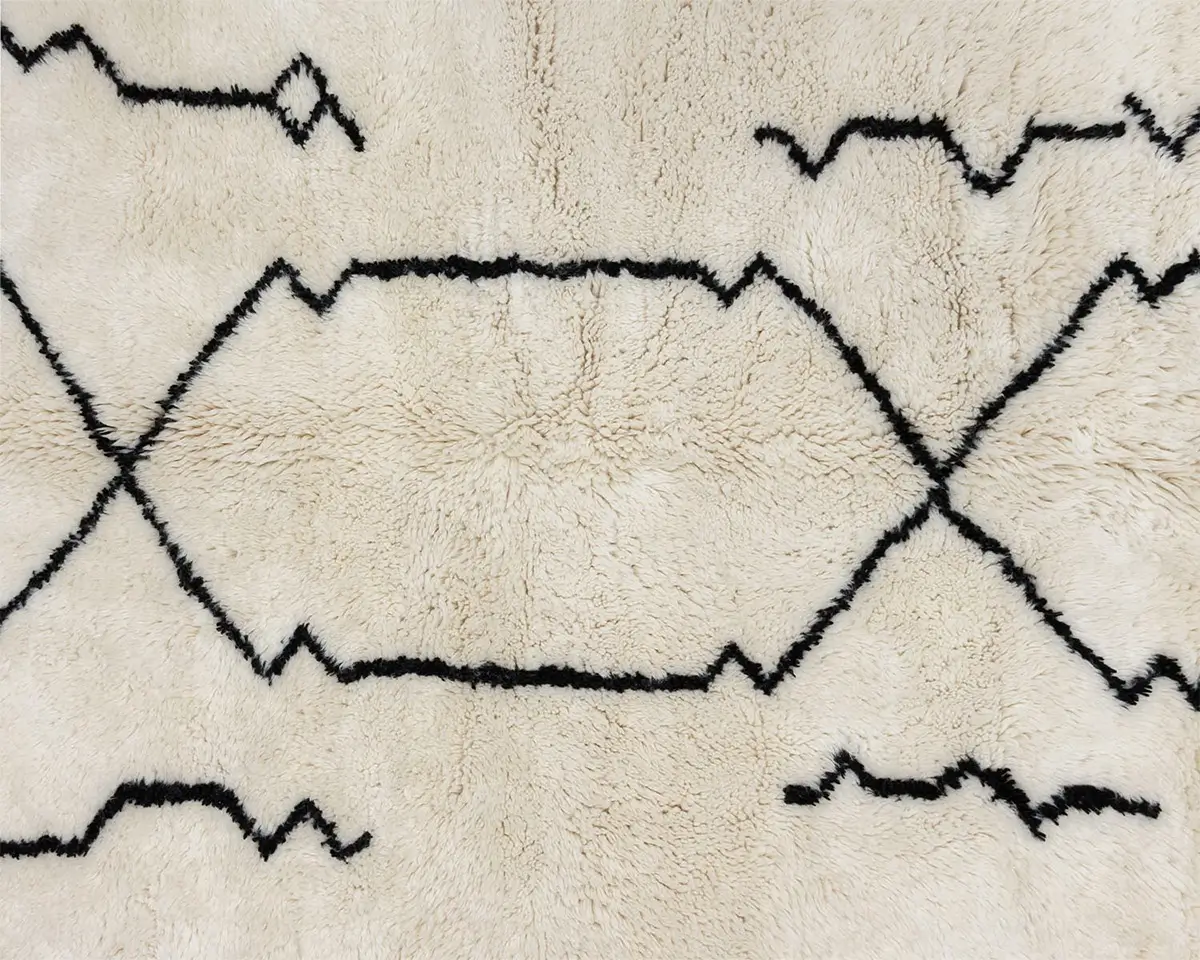
True Berber rugs are handcrafted by master women artisans using a range of weaving and knotting techniques that vary by region and cultural story. These time-honored methods, passed down through generations, make each rug a reflection of personal expression and ancestral identity. Machine-made rugs, in contrast, are mass-produced replications with no ties to heritage or community.
Why choose handmade Berber rugs?
- Quality and durability: Made with intention, built to last
- Cultural preservation: Every knot honors a living tradition
- Emotional value: A deeply personal addition to your space
- Sustainable materials: Natural wool supports the environment and your home’s health
- Support for real artisans: Your choice uplifts the hands behind the craft
The Women Behind the Craft: Weaving for Family, Future, and Legacy
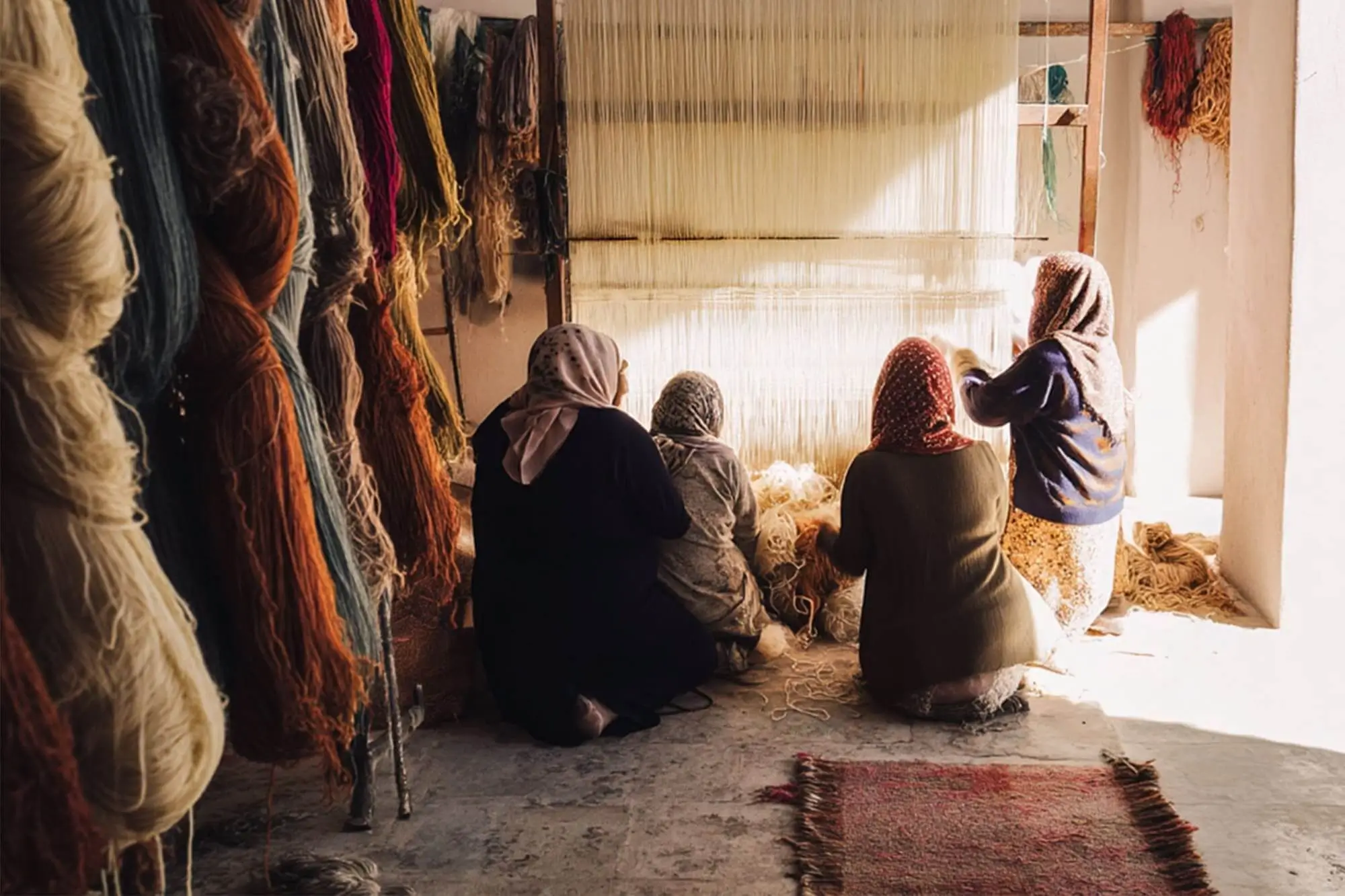
Across Morocco’s rural regions, women—especially within Berber communities—are the custodians of this ancient craft. They are more than artisans; they are providers, educators, and cultural transmitters. Through weaving, they support their families, secure independence, and sustain a legacy that stretches far beyond the loom.
Many of these women are part of cooperatives that ensure fair pay, dignified working conditions, and mutual support. At Azele Studio, we source directly from this network of skilled women, guided by a profound respect for their mastery and the stories they weave. Every rug becomes a bridge between tradition and future, artistry and livelihood.
Our Ethical Standards and Sourcing Philosophy
Our approach to sourcing is rooted in transparency, trust, and a commitment to long-term partnership. We collaborate with trusted cooperatives and artisan-led workshops that share our values: dedication to craft, respect for culture, and fair labor practices. These relationships ensure artisans are not only fairly compensated but also empowered to continue their work with pride.
For us, every rug is more than a product—it is a relationship built on care, intention, and shared purpose.
Red Flags in the Market: What Ethical Buyers Should Know
When browsing for Moroccan rugs, keep an eye out for warning signs that suggest a rug may not be authentically or ethically made:
- Generic or vague origins (e.g., “North African style” without specifics)
- Lack of artisan or cooperative background
- Suspiciously low prices that undercut fair labor
- Uniform perfection—true handmade rugs carry natural imperfections
- Synthetic imitations that mimic tribal aesthetics without craft
- False labeling of regional names to manipulate value
As a conscious buyer, asking questions and seeking transparency strengthens the communities behind these rugs. For deeper insight into making thoughtful, informed purchases, explore our Collecting Guide to Moroccan Berber rugs.
The Sustainable Nature of Wool and Safe Dyeing Practices
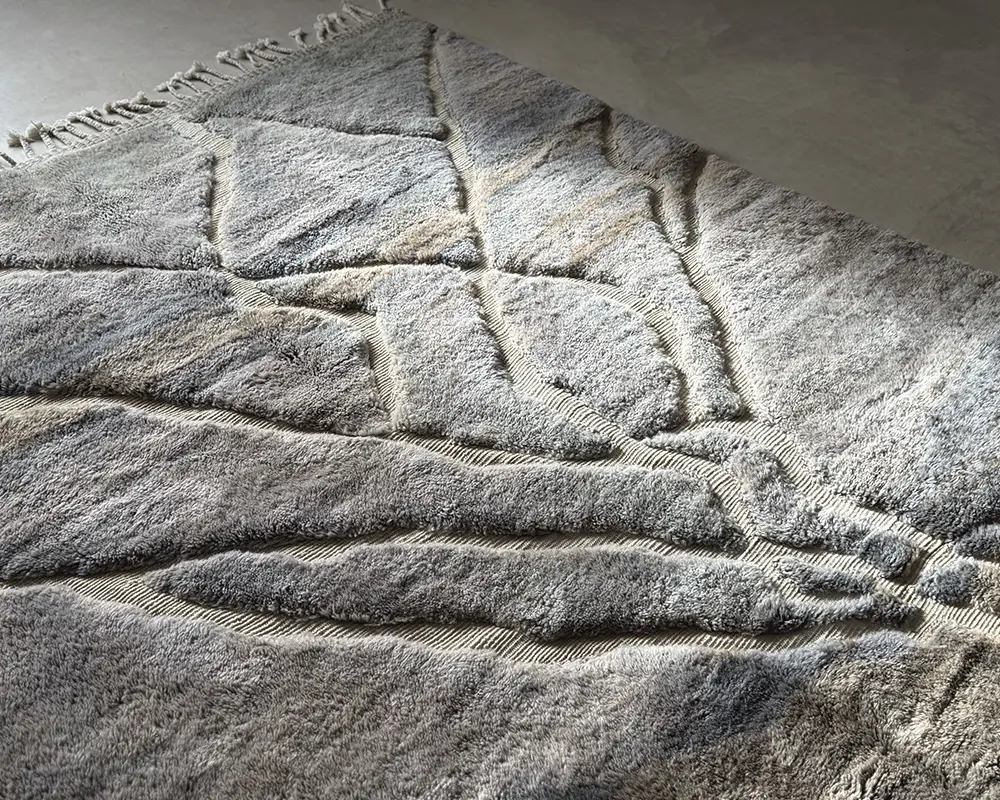
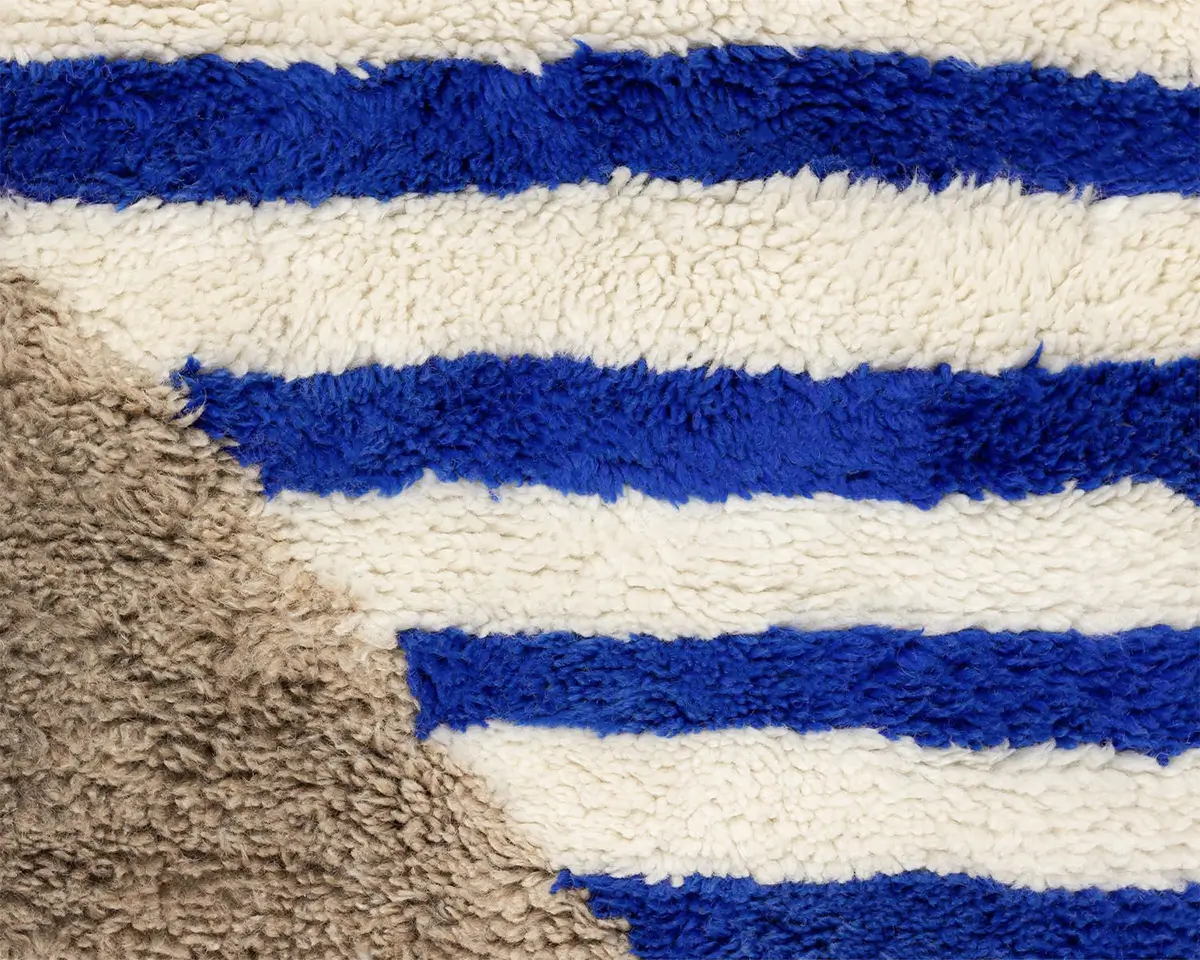
Moroccan Berber rugs are made from wool sourced locally from Moroccan sheep—a renewable, biodegradable material prized for its natural warmth, durability, and beauty. Choosing wool supports sustainable living and enhances indoor comfort. While synthetic dyes are now commonly used, we ensure they comply with international safety standards, protecting both the artisans and your living space.
This thoughtful combination of ancient methods and responsible materials honors both legacy and well-being.
Choosing Rugs That Support People and the Planet
Ethical sourcing isn’t just about doing good—it’s about creating meaningful connections. When you invest in a rug woven by the hands of women artisans and sourced through ethical practices, you welcome more than beauty into your home. You help protect traditions, promote fair economies, and build a more considered way of living.
Let your home be a reflection not only of your style, but of your values.
Looking for deeper insight into conscious purchasing? Continue with our story on the emotional value of buying ethically.
ethical Moroccan rugs, ethical rug sourcing, fair trade Moroccan rugs, sustainable Moroccan rugs, conscious rug buying, handmade Berber rugs ethical, women artisan rugs, Moroccan rug cooperatives, authentic Berber rugs, ethical home decor, fair labor rugs, Moroccan artisan support, sustainable wool rugs, eco friendly Moroccan rugs, ethical rug brands, how to buy ethical rugs, Moroccan rug red flags, fake Moroccan rugs, authentic vs fake rugs, ethical textile sourcing, slow living home decor, conscious consumption rugs, handwoven ethical rugs, support women weavers, Moroccan craft preservation, responsible rug buying, transparent rug sourcing, ethical luxury rugs